
When Did Juan Ponce de León Discover Florida? The April 2, 1513 Landing Explained
- Apr 2
- 3 min read
Fast Facts
📅 Date: April 2, 1513
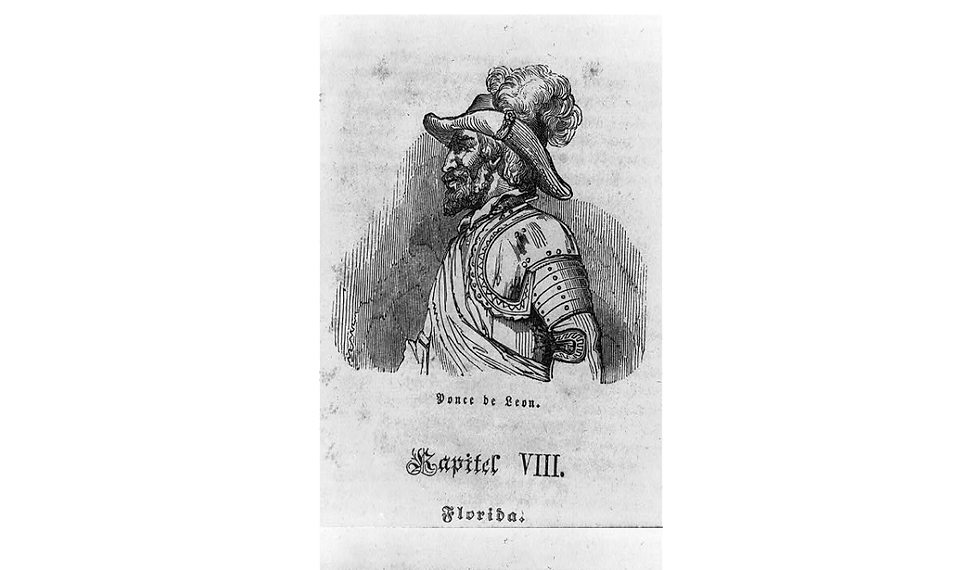
👤 Explorer: Juan Ponce de León
📍 Location: Florida coastline
🌴 Name Origin: "La Florida" meaning "land of flowers"
🧭 Purpose: Exploration and territorial claims
⚖️ Reality: Indigenous peoples had lived there for thousands of years
At a Glance
Florida was already home to thriving Indigenous civilizations
Ponce de León likely was not searching for the Fountain of Youth
The landing marked contact, not discovery
The event shaped Florida’s future and European exploration
Why This Matters
April 2, 1513, is often remembered as the day Florida was discovered. But history is rarely that simple.
When Ponce de León arrived, he did not find an empty land. He encountered a region already inhabited by Indigenous peoples with complex societies, trade networks, and cultural traditions.
This moment marked the beginning of contact, and with contact came change that would shape the region for centuries.
Understanding this moment means looking beyond the legend and examining the full story.
Opening the File
On April 2, 1513, Juan Ponce de León sighted land along what is now the southeastern United States. He named the region La Florida, partly because of the lush landscape and partly because the sighting occurred during the Spanish Easter season known as Pascua Florida.
It marked the first documented European encounter with what would become the state of Florida.
But the story most people know about this moment is not entirely accurate.
Inside the Investigation
Who Was Ponce de León?
Juan Ponce de León was not a newcomer to exploration. Born in Spain in 1474, he became involved in early Spanish expeditions to the Americas. He later helped colonize Puerto Rico and eventually served as its governor.
However, political shifts and disputes led him to seek new opportunities. Exploration offered both prestige and potential wealth. Like many explorers of his time, he was motivated by expansion, resources, and influence.
In 1513, he set sail north from Puerto Rico with three ships. On April 2, his expedition spotted land.
He named it La Florida.
Florida Before European Contact
Long before Ponce de León arrived, Florida was home to numerous Indigenous communities. Among them were the Timucua, Calusa, and Apalachee.
These societies had:
Established trade routes
Structured leadership systems
Agricultural practices
Complex cultural traditions
The Calusa, for example, built large shell mounds and canals. The Timucua developed extensive village networks across northern Florida. These communities thrived long before European contact.
The arrival of explorers did not begin Florida’s history. It marked a turning point within it.
The Fountain of Youth Myth
Perhaps the most famous part of this story is the legend of the Fountain of Youth.
According to popular history, Ponce de León traveled to Florida searching for a mythical spring that could restore youth. However, historians debate whether this was ever his true goal.
Some researchers believe the story emerged later, possibly added by historians after his death. There is little evidence that Ponce de León himself documented such a search.
Instead, his expedition likely focused on exploration and territorial expansion.
The myth endured because it captured the imagination. A search for immortality is more memorable than navigation.
The Long Shadow
The arrival of Ponce de León marked the beginning of a new era in Florida. European exploration brought not only curiosity but also profound changes for Indigenous communities.
Contact between Europeans and Indigenous peoples often led to cultural exchange, but it also introduced conflict and disease. These encounters reshaped populations and altered existing societies.
This moment also reflects a broader pattern in history. Exploration often led to claims of ownership over lands that were already inhabited. The concept of discovery reflected a European perspective rather than the lived reality of those already there.
The story of Ponce de León also demonstrates how myths shape historical memory.
The Fountain of Youth became the defining narrative, overshadowing the more complex realities of exploration and contact.
Today, Florida’s identity is still shaped by these early encounters. Cities, landmarks, and traditions trace their origins to this period. Yet the full story remains layered, involving exploration, myth, and consequence.
History rarely arrives as a single moment. It unfolds through impact.
References
Encyclopaedia Britannica. "Juan Ponce de León."
Smithsonian Institution. "Early Exploration of Florida."
Library of Congress. "Spanish Exploration of North America."
National Park Service. "Ponce de León and Florida."


Comments